If you are thinking about moving to Sleepy Hollow Manor, you are probably looking for more than a house. You are looking for a neighborhood that feels established, connected, and practical for daily life. For many buyers, that means balancing home character, parks, school logistics, and the real commute. This guide walks you through what families should know before making a move to Sleepy Hollow Manor. Let’s dive in.
What Sleepy Hollow Manor feels like
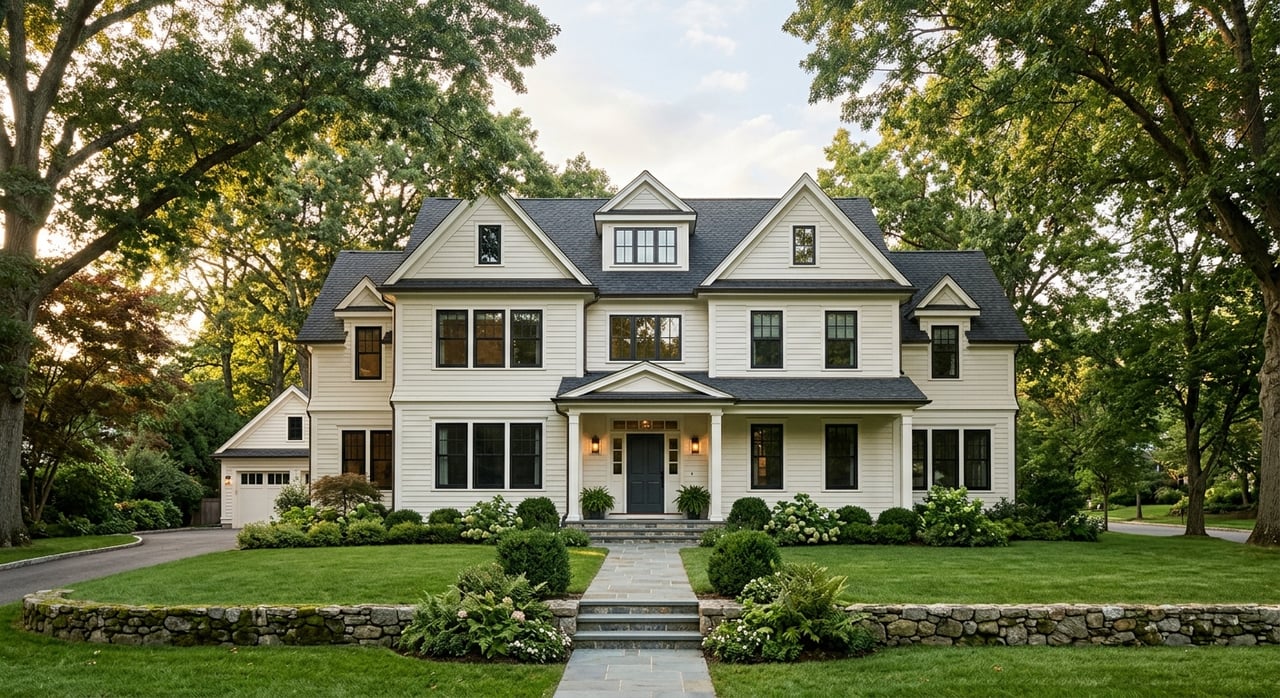
Sleepy Hollow Manor is described in official village planning material as a residential neighborhood set along the low rolling Hudson River shorelands. The area blends older and newer development, with varied home designs, winding roads that follow the landscape, mature street trees, and landscaped surroundings. The same village planning source also notes local features like Peabody Field and Lake Fremont, along with views from some streets and bridges toward Lake Fremont, the Hudson River, and the Palisades.
That physical setting is a big part of the neighborhood’s appeal. Instead of a rigid street grid, the layout follows the topography, which can give the area a more tucked-in, established feel. If you value a neighborhood with visual variety and a strong sense of place, the village planning inventory offers useful context.
The neighborhood also has historical roots. According to the village historian cited in that planning material, early 20th-century professionals settled in Sleepy Hollow Manor. For buyers, that helps explain why the area can feel both longstanding and layered, with a mix of housing styles rather than a one-note housing stock.
Community life in Sleepy Hollow Manor
For many families, the neighborhood itself matters just as much as the home. One practical sign of local involvement is the Sleepy Hollow Manor Association, which was described in a 2022 NY Forward application as representing 186 households of active and involved residents. The same materials describe the neighborhood as adjacent to the inner-village.
Association membership supports social gatherings and community events such as Fourth of July parties, Halloween parades, Candidates’ Nights, annual meetings, and welcome parties. Members also help maintain public spaces. If you are hoping for a place where it is easy to plug in and meet neighbors, the NY Forward application points to a neighborhood with an organized local presence.
There is also a practical detail to know. The association notes that membership is required for parking at the Philipse Manor Metro-North station. For households with train commuters, that is worth understanding early in your home search, especially if station access is part of your daily routine.
Parks and outdoor spaces nearby
Families often want easy access to outdoor space, and Sleepy Hollow offers a strong mix of village and waterfront options. The village maintains parks and recreation areas including Barnhardt Park, Devries Park/Quattro and Field, Douglas Park, Horan's Landing, Kingsland Point Park, Reverend Sykes Park, Margotta Courts, and Patriots Park. The village also lists kid-focused recreation programs such as spring soccer clinics, tee ball, youth pickleball, and after-school Earth Art for children 12 and under on its parks and fields page.
One standout nearby destination is Kingsland Point Park. The village says this county park includes playground equipment, soccer and lacrosse fields, barbecues, bathrooms, kayak tours, and the historic lighthouse. For buyers with active households, that range of uses can be a real asset in day-to-day life.
The waterfront is another major draw. The village opened Sleepy Hollow River Walk Park in 2022 as a 16-acre riverfront park with promenade and overlook areas. The village also shows plans for a Riverside Drive RiverWalk extension that would connect south toward the Philipse Manor station and north to Fremont Pond, according to its park and design information.
Historic places and local character
Sleepy Hollow is known for its historic setting, and that character extends into daily life. Historic Hudson Valley says the Old Dutch Church was built in 1685 and is the oldest church in New York State. It is open on many weekend afternoons in summer and fall, and the burying ground is open year-round.
That same listing places the church across from Philipsburg Manor, which also offers public tours and K-12 school programs. The village’s greenway planning ties together the waterfront and trail network with landmarks and destinations including Old Dutch Church, Philipsburg Manor, Sleepy Hollow Cemetery, Devries Avenue Park, Kingsland Point Park, Douglas Park, the Old Croton Aqueduct Trailway, and Rockefeller State Park Preserve.
For families, that can translate into more ways to spend time locally. Weekend plans do not always have to mean getting in the car and leaving town. In a community like this, parks, trails, and historic places are part of the everyday environment.
What to know about schools
If schools are part of your move, Sleepy Hollow Manor falls within the Public Schools of the Tarrytowns. The district says it serves about 2,800 students from the villages of Tarrytown and Sleepy Hollow, roughly 25 miles north of New York City. It also says the district follows a Princeton Plan model.
According to the district, the current schools are John Paulding Elementary for PreK-K, Tappan Hill Elementary for Grade 1, W.L. Morse Elementary for Grade 2, Washington Irving Intermediate for Grades 3-5, Sleepy Hollow Middle for Grades 6-8, and Sleepy Hollow High School for Grades 9-12. You can review the district overview directly on the Public Schools of the Tarrytowns website.
For buyers, one of the most useful takeaways is system continuity. Rather than navigating multiple village-based school systems, families in Sleepy Hollow and Tarrytown are served by one district. The district also describes itself as ethnically and socioeconomically diverse, which helps paint a factual picture of the broader school community.
The commute and parking reality
Commute planning is one of the most important parts of a move, and this is where buyers should look closely at the details. Philipse Manor is a station on the Metro-North Hudson Line. The MTA says the station has ramps and ticket machines on the southbound platform, but no ticket office and no accessible path between the platforms. It also notes that the nearest fully accessible Hudson Line stations are Tarrytown and Scarborough, according to the MTA station page.
Parking is also important to understand. The village states that it does not yet have authority to create residents-only parking on public streets and is still evaluating neighborhood parking rules. In the same FAQ, the village says Sleepy Hollow Manor is farther from both the Tarrytown and Philipse Manor train stations and is "exceedingly unlikely" to be eligible for a Neighborhood Parking Program.
This does not mean the neighborhood is not workable for commuters. It does mean you should go into your search with clear expectations. If train access is a major part of your daily schedule, it is smart to think through driving, walking routes, drop-off plans, and station parking before you make an offer.
Questions to ask before you buy
Every family uses a neighborhood differently, so the right fit depends on your routines. Sleepy Hollow Manor may be especially appealing if you want an established setting, access to parks and waterfront spaces, and a visible neighborhood association. At the same time, commute logistics deserve careful attention.
As you compare homes, keep these questions in mind:
- How important is train station access in your daily routine?
- Do you want a neighborhood with an active community association and events?
- Are nearby parks, waterfront walks, and recreation programs part of your weekly lifestyle?
- Does a mix of older and newer homes fit what you are looking for?
- Are you comfortable evaluating parking and station logistics case by case?
These are the kinds of practical questions that can help you narrow not just the right house, but the right part of the Rivertowns for your household.
Why local guidance matters
Micro-neighborhood differences matter in Sleepy Hollow and Tarrytown. Two homes may be in the same village, but feel very different when you look at street layout, access to parks, proximity to the waterfront, or commuter convenience. That is why local context matters so much during a move.
If you are considering a move to Sleepy Hollow Manor, working with a team that knows northern Westchester at the neighborhood level can help you make a more confident decision. Karen Stroub & Elvira Aloia can help you compare homes, understand local lifestyle tradeoffs, and find the right fit for your next move.
FAQs
What is Sleepy Hollow Manor like for families?
- Sleepy Hollow Manor is described by village planning materials as a residential neighborhood with varied home designs, mature trees, winding roads, landscaped settings, and access to local features like Lake Fremont and nearby parks.
What parks are near Sleepy Hollow Manor?
- Nearby village park options include Barnhardt Park, Devries Park/Quattro and Field, Douglas Park, Horan's Landing, Reverend Sykes Park, Margotta Courts, Patriots Park, and Kingsland Point Park, which includes playgrounds, fields, bathrooms, barbecues, kayak tours, and a historic lighthouse.
What school district serves Sleepy Hollow Manor?
- Sleepy Hollow Manor is served by the Public Schools of the Tarrytowns, a district serving students from Sleepy Hollow and Tarrytown across six schools from PreK through grade 12.
What should commuters know about Sleepy Hollow Manor?
- Commuters should know that Philipse Manor is on the Metro-North Hudson Line, but the MTA says it does not have an accessible path between platforms, and the village says Sleepy Hollow Manor is farther from the train stations and is unlikely to qualify for a Neighborhood Parking Program.
Is there an active neighborhood association in Sleepy Hollow Manor?
- Yes. The Sleepy Hollow Manor Association was described in a state application as representing 186 households, and its membership supports neighborhood events, public space upkeep, and parking access at the Philipse Manor station.